
Why Are Some Marketing Campaigns So Much More Successful Than Others?
Have you ever wondered why two similar ads, landing pages, or emails perform completely differently – even when they target the same audience? The answer often comes down to data-driven experimentation. That’s where A/B Testing Basics come into play.
In today’s competitive digital space, guessing what your audience wants is no longer enough. Small business owners, marketers, and learners who rely on instinct alone often waste ad budgets, miss leads, and struggle with conversions. A/B testing gives you a scientific way to improve performance without increasing spend.
In this guide, you’ll learn what A/B testing basics is, how it works, why it matters, and how to apply it effectively to your digital marketing strategy. Whether you’re running a local campaign searching for “digital marketing near me” leads or scaling ads through a full-service digital marketing agency, these fundamentals will help you make smarter decisions and achieve measurable growth.
What Is A/B Testing and Where Did It Come From?
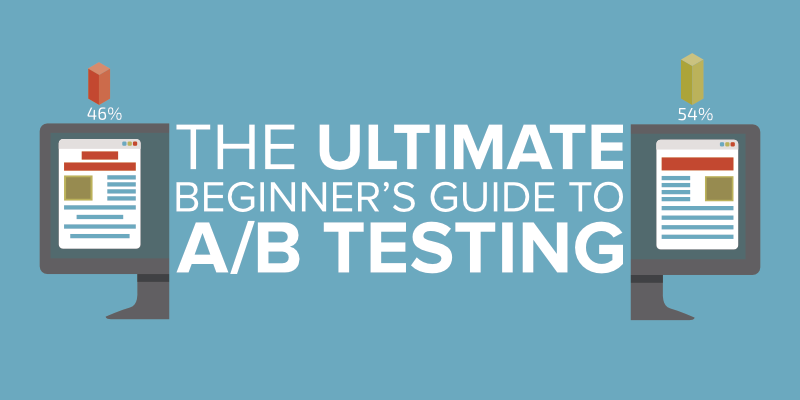
A/B testing, also called split testing, is the process of comparing two versions of a marketing asset to see which performs better. Version A (the control) is tested against Version B (the variation), with only one element changed at a time. Performance is measured using metrics such as click-through rate, conversions, engagement, or revenue.
The concept originated in scientific research and product development but became widely adopted in digital marketing during the rise of online advertising and analytics tools. As platforms like Google Ads, Facebook Ads, and email marketing software became more sophisticated, marketers gained the ability to test campaigns at scale.
Today, A/B testing is considered a core optimization technique for businesses of all sizes. Agencies like 14mittech, known for data-driven digital strategies, integrate A/B testing into SEO, paid ads, landing page optimization, and conversion rate optimization workflows. The goal is simple: reduce guesswork and replace opinions with performance data.
A/B Testing Basics Every Marketer Should Understand
1. How A/B Testing Works in Digital Marketing
Understanding the basic workflow of A/B testing helps you avoid common mistakes. The process begins with identifying a specific goal. This could be increasing sign-ups, boosting product purchases, improving email open rates, or reducing bounce rates on landing pages. Once the goal is defined, you select one variable to test.
For example, if you are running ads for a digital marketing agency, you might test two different headlines. One could focus on affordability, while the other highlights expertise. Both versions are shown to similar audience segments at the same time. This ensures fairness and reduces bias caused by timing or traffic source differences.
Data is then collected over a set period. Once enough traffic and conversions are recorded, results are analyzed to determine which version performs better. The winning version is implemented, and the process repeats with new elements. Over time, these incremental improvements compound into significant performance gains.
2. What Elements Can You Test?
One of the biggest advantages of A/B testing is flexibility. Almost every digital marketing element can be tested, but some areas produce stronger results than others.
Website and landing page testing often focuses on headlines, call-to-action buttons, layout structure, hero images, and form length. Even small wording changes can impact conversion rates dramatically. For example, changing “Submit” to “Get Your Free Quote” often increases form submissions because it feels more value-driven.
Email marketing tests usually involve subject lines, preview text, email design, personalization, and send times. Meanwhile, ad campaign testing commonly targets ad copy, visuals, audience segments, and landing page alignment.
For local campaigns targeting “digital marketing near me” keywords, testing location-based messaging and trust signals like reviews or local certifications can significantly improve click-through rates. Businesses working with 14mittech often prioritize testing high-impact elements first to generate faster returns.
3. Why A/B Testing Is Essential for Small Businesses and Marketers
Many small business owners assume A/B testing is only for large corporations with massive budgets. In reality, smaller brands benefit even more because every rupee or dollar counts. A single optimized landing page can double conversions without increasing traffic costs.
For marketers, A/B testing provides clarity. Instead of debating design preferences or relying on assumptions, you can point to data-backed decisions. This not only improves campaign performance but also strengthens client trust and reporting transparency.
From an SEO perspective, better user engagement metrics such as lower bounce rates and higher time-on-page can indirectly support organic rankings. When visitors interact more positively with your content, search engines interpret that as quality engagement.
In competitive markets where multiple agencies compete for the same keywords like “digital marketing agency,” testing becomes a strategic advantage. Brands that continuously optimize outperform those that rely on static campaigns.
4. Common A/B Testing Mistakes Marketers Should Avoid
While A/B testing is powerful, many marketers misuse it. One common mistake is testing too many variables at once. When multiple elements change simultaneously, it becomes impossible to identify which change caused the performance difference. Always isolate one variable per test.
Another issue is stopping tests too early. Results may look promising after a few hours, but insufficient data can lead to false conclusions. Proper sample size and testing duration ensure accuracy.
Ignoring external factors is another problem. Seasonality, traffic source quality, and audience behavior can influence results. For example, testing during festival sales or high-traffic seasons may skew outcomes.
Finally, many businesses fail to document results. Without tracking insights, teams repeat the same tests or lose valuable learnings. Professional teams, including those at 14mittech, maintain structured testing logs to guide long-term optimization strategies.
5. Tools and Platforms for Running A/B Tests
Modern A/B testing tools make experimentation accessible even for beginners. Google Optimize (or similar tools integrated with analytics platforms) helps marketers test website elements easily. Email marketing platforms like Mailchimp, HubSpot, and ActiveCampaign offer built-in testing features for subject lines and email content.
Paid advertising platforms also support testing. Google Ads allows responsive ads and experiment features, while Meta Ads Manager enables creative and audience testing. These tools allow marketers to identify high-performing variations faster.
For businesses searching for “digital marketing near me,” partnering with an experienced digital marketing agency can simplify the technical setup and ensure data accuracy. Agencies often combine testing tools with analytics dashboards to provide actionable insights rather than raw numbers.
FAQs:
1. What is A/B testing in digital marketing?
A/B testing in digital marketing is the process of comparing two versions of a webpage, ad, or email to identify which one performs better based on user behavior and conversion data.
2. How long should an A/B test run?
The ideal duration depends on traffic volume and conversion rates. Most tests should run at least one to two weeks to collect sufficient data and account for weekday and weekend behavior differences.
3. Is A/B testing suitable for small businesses?
Yes. Small businesses benefit greatly from A/B testing because it helps maximize ROI without increasing advertising spend. Even small improvements can lead to significant revenue growth.
4. Can A/B testing improve SEO performance?
Yes. While A/B testing does not directly change rankings, improved engagement metrics and better user experience can positively influence overall SEO performance.
Are You Ready to Stop Guessing and Start Testing?
A/B testing is no longer optional – it’s essential for marketers who want consistent, scalable growth. By understanding A/B Testing Basics, you empower your business to make smarter decisions, improve ROI, and create better user experiences.
Whether you’re a startup owner, a freelancer, or part of a growing digital marketing agency, adopting a testing mindset transforms the way you approach campaigns. Teams like 14mittech prove that continuous experimentation leads to sustainable success in today’s competitive digital environment.